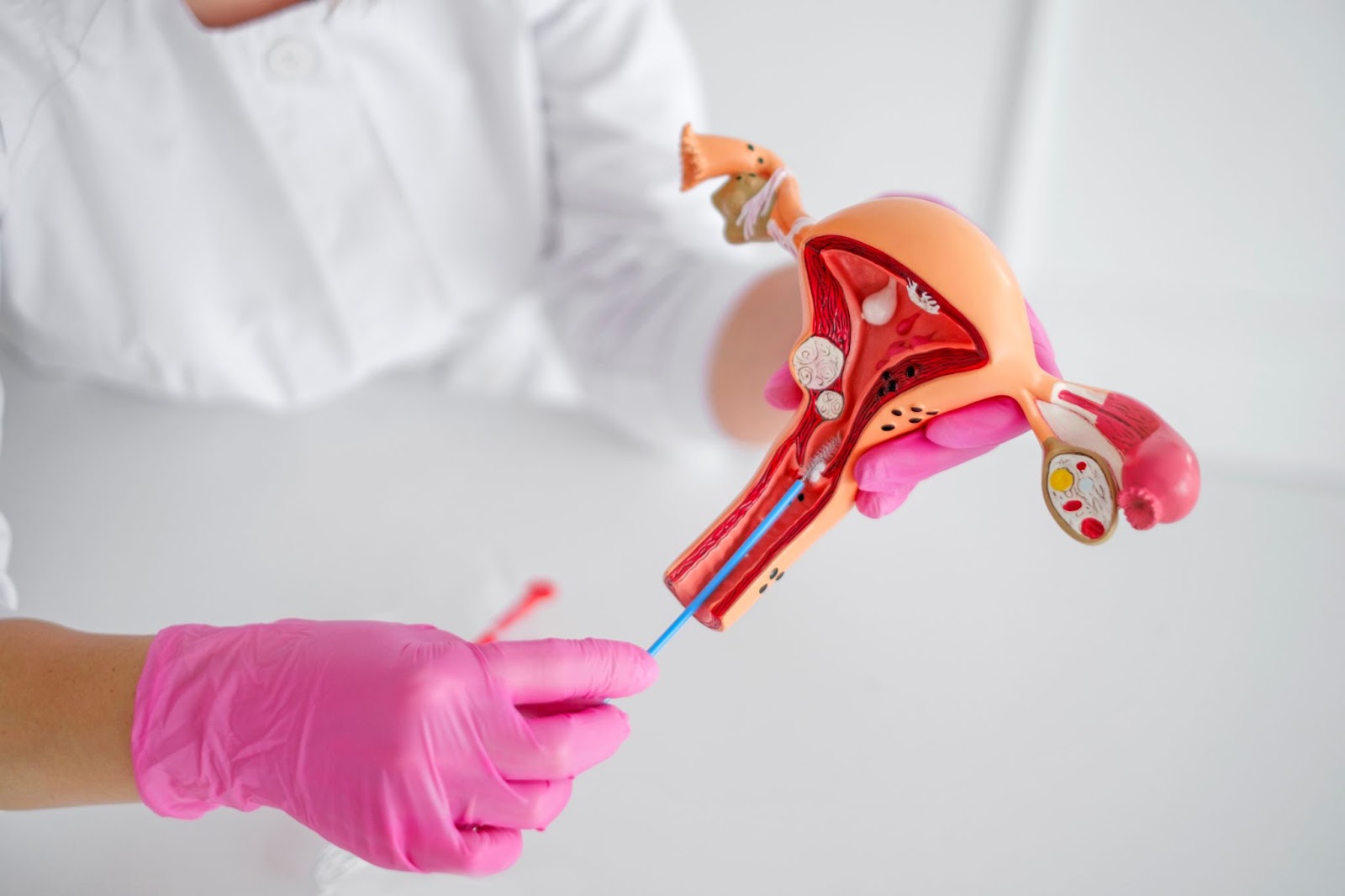
The FDA has recently approved HPV self-sampling tests, a groundbreaking development that promises to enhance accessibility and privacy in cervical cancer screening. While this is a huge step forward in cervical cancer prevention and care, there is still work to do to expand approval to non-clinic settings.
At the Health TechQuity Lab, we have been exploring the impact and potential of self-sampling outside the clinic, especially among populations facing significant barriers to healthcare access, such as individuals experiencing homelessness and other historically underserved groups. Our current NIH-funded study is demonstrating how HPV self-sampling can empower individuals by allowing them to screen for cervical cancer in non-clinic settings, such as homeless shelters. This advance in cervical cancer screening could address several barriers like transportation, scheduling difficulties, and discomfort with traditional screening methods.
The recent FDA approval could transform screening practices and significantly improve cervical cancer screening rates, especially among medically underserved communities. Here’s why HPV self-sampling is a game-changer:
- Privacy and Comfort: Conduct your test in the comfort and privacy of your home.
- Accessibility: Simplifies the process, making it easier for those with limited access to healthcare facilities.
- Early Detection: Helps in catching HPV early, leading to better outcomes.
For more information on HPV and cervical cancer screening:
- Cervical Cancer Resources
- FDA Approves HPV Tests That Allow for Self-Collection in a Health Care Setting
Stay informed and healthy!
 Health TechQuity Lab