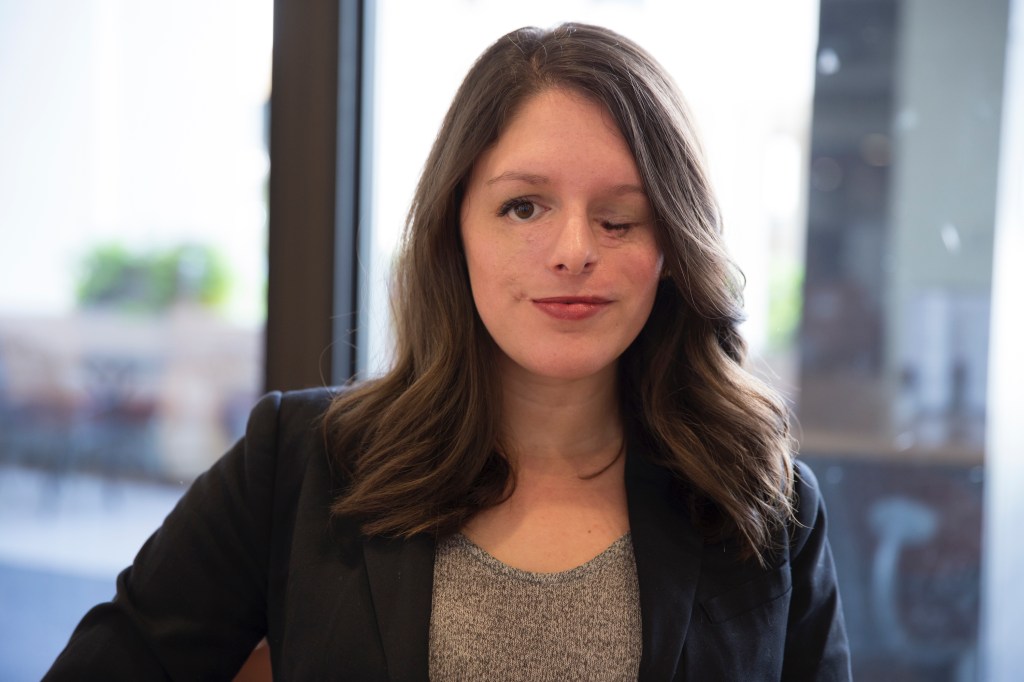
Celebrating International Women’s Day, we spotlight Dr. Natalia Rodriguez, Director of the Health TechQuity Lab (HTQL), to explore her journey in the fields of biomedical engineering and public health. This interview highlights how Dr. Rodriguez’s passion for innovation and her dedication to improving community health drive the mission at HTQL. She discusses the lab’s commitment to integrating human needs into technology development and the unique challenges she has navigated as a woman in science. Natalia’s story is not just about technological achievements but also about inspiring change and encouraging more women to enter and transform the field.
Q: What inspired you to enter the field of biomedical engineering and public health?
A: My fascination with making things and helping people led me to biomedical engineering. It wasn’t until halfway through my PhD that I realized the importance of the human side of the technologies we were developing. This revelation guided me toward public health to ensure our lab’s innovations could effectively impact health outcomes.
Q: Can you describe the core mission of the Health TechQuity Lab (HTQL)?
A: HTQL places humans at the heart of health technology design and implementation to tackle health disparities. We learn from communities about their needs and co-develop solutions to improve their health outcomes through technological innovation.
Q: What have been some of the most significant challenges in your career?
A: The biggest challenge was finding a career path that resonated with my passion for working directly with people and communities. This journey involved multiple career shifts and educational endeavors, embracing change and not settling, which eventually led me to a fulfilling role that combines my skills in meaningful ways.
Q: How do you measure the success and impact of your projects, especially in underserved communities?
A: Success is when our projects meet the real-world needs of the communities they are intended to serve. For example, our partnership with a local homeless shelter has driven our research directions, creating impactful health solutions tailored to their specific challenges.
Q: What message would you like to share with young women aspiring to enter science and technology fields?
A: Women’s underrepresentation has led to significant gaps in research on women’s health issues. Young women in science are desperately needed to address these gaps. When women are healthier, it leads to healthier societies and economic development, demonstrating the societal impact women can have.
Q: What future advancements in health technology excite you the most?
A: I am excited about technologies that empower individuals to manage their own health, like rapid diagnostic tests and self-sampling tools. These innovations are revolutionizing public health by enabling preventive care for marginalized communities, exemplified by our project that facilitates cervical cancer screening for women experiencing homelessness.
 Health TechQuity Lab