Categories
-
Graduate Students Winning at OneHealth Poster Competitions
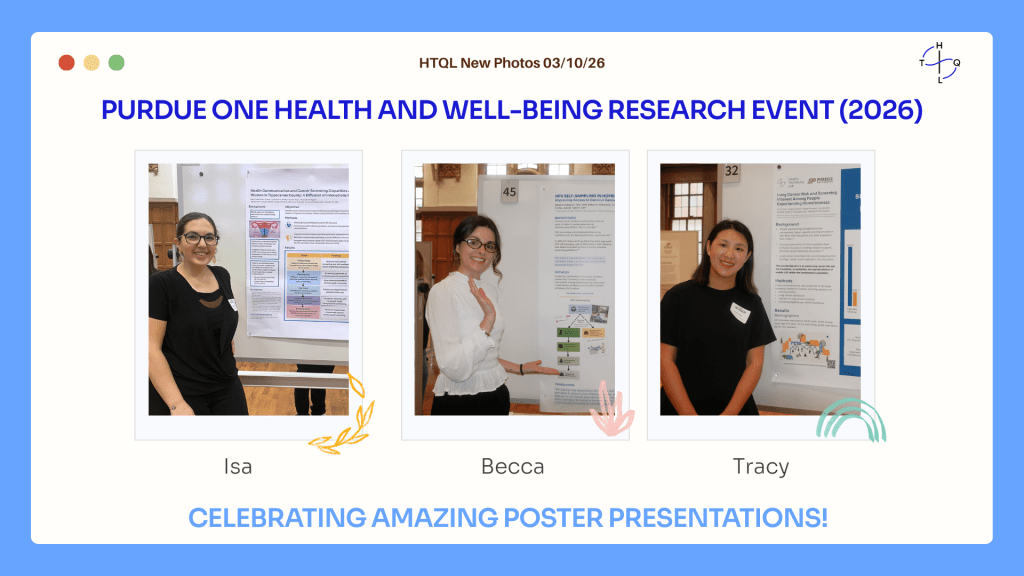
HTQL members had a blast at Purdue’s One Health and Well-Being Research Event. We participated in research poster competition and celebrated the interdisciplinary health research. Our presenters Isa, Becca, and Tracy did amazing work discussing their research that focused on women health disparities and people experiencing homelessness. And we took home some awards! 🎉
-
HPV Self-Sampling Is Entering Screening Guidelines: A Milestone for Cervical Cancer Prevention
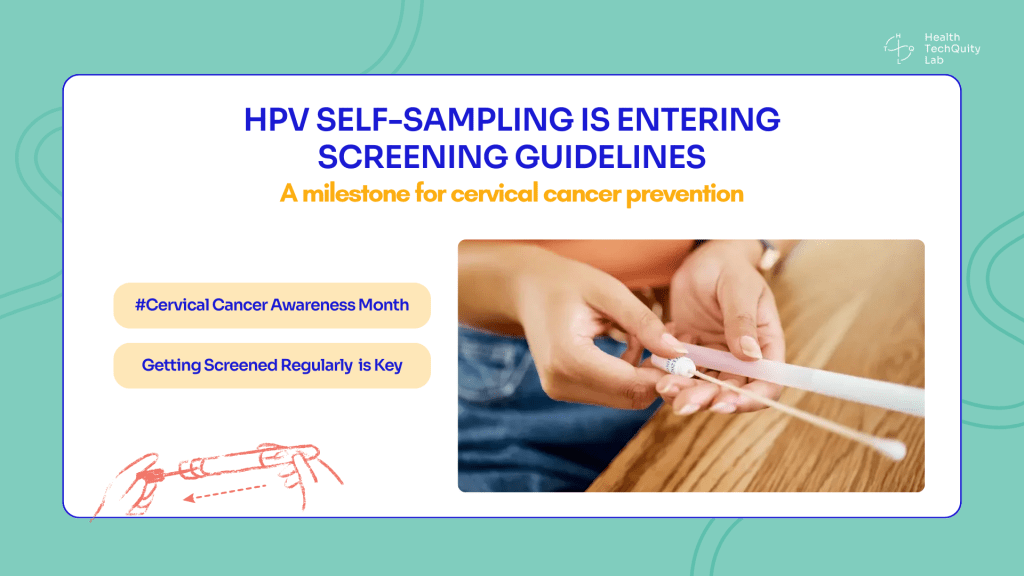
This Cervical Cancer Awareness Month, we want to highlight important progress: HPV self-sampling is now recognized in major screening guidelines, offering a new way to increase access to cervical cancer screening and advance health equity. The American Cancer Society and the federal Women’s Preventive Services Guidelines now include self-collected HPV testing as an appropriate option for people ages 30–65 at average risk. This approach allows individuals to collect…
-
New Publication: Development of an HPV 16 rapid test founded in user-centered design with primary care clinicians
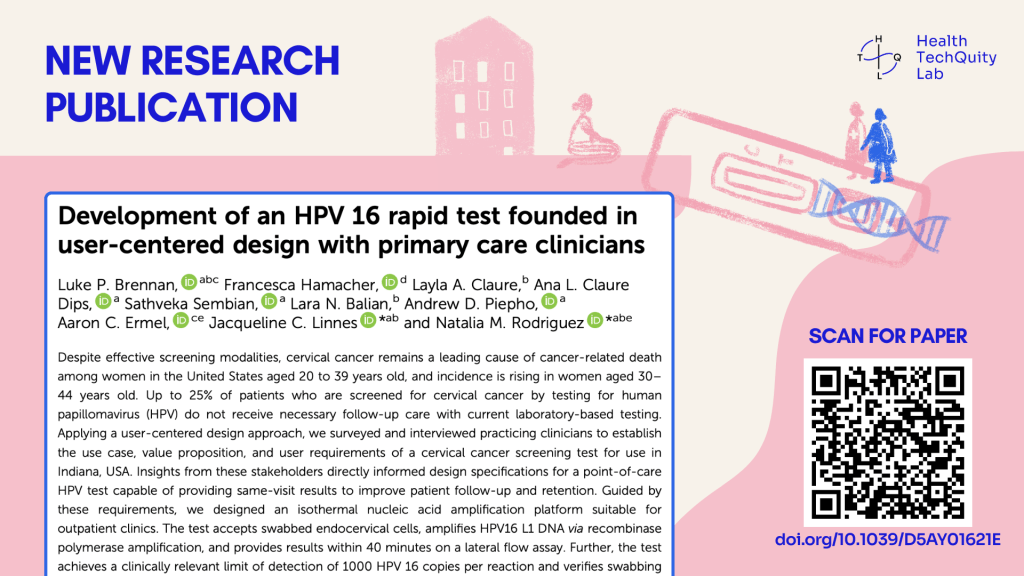
HTQL is excited to share a new publication in Analytical Methods: “Development of an HPV16 rapid test founded in user-centered design with primary care clinicians.” This paper pairs a user-centered design process—with primary care clinicians informing early concept development and workflow needs—with detailed biomedical test specifications. By bridging user-centered design, clinical practice, and engineering, it…
-
Jessica & Adeline Presenting at Undergrad Research Expo
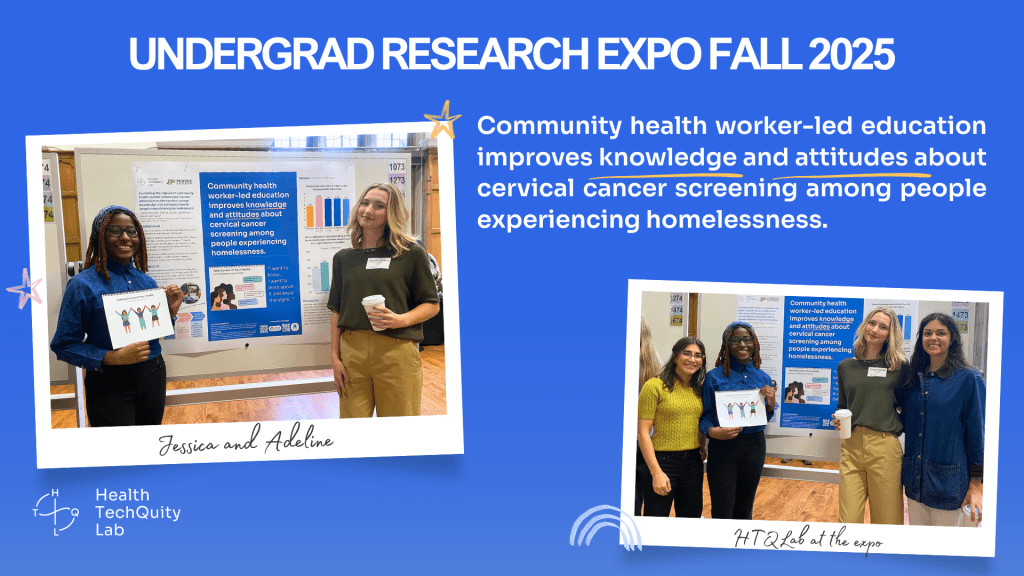
Our HTQLab undergrads, Jessica Nwokeji and Adeline Jolley, had recently presented at Purdue Undergraduate Research Expo (Fall 2025) about their research titled “Evaluating the Impact of Community Health Worker-Led Education on the Cervical Cancer Knowledge and Attitudes Seen in People Experiencing Homelessness“ They received great feedback and had a great time presenting insights. Great job!
-
Mrithula Babu Presenting at IAPHS 2025

Our lab is excited to spotlight Mrithula, who presented at the IAPHS 2025 Conference on breast and cervical cancer screening access. Her presentation, “Stakeholder Perspectives on Barriers and Facilitators to Breast and Cervical Cancer Screening among Hispanic Women in Indiana,” emphasized: This pilot project was part of a broader community assessment to identify barriers and…
-
HTQL’s Year in Review – And Onward to the Next!

As we kick off this next year at HTQL, we’re taking a moment to celebrate the incredible achievements and milestones that made this past year special. Research and Community Impact We launched a study bringing CHW-led education and HPV self-sampling in homeless shelters, expanding access to screening. Two first-time first authors published new work by…
-
Understanding Disparities in Cervical Cancer Screening among Hispanic Women in Indiana for Future Initiatives
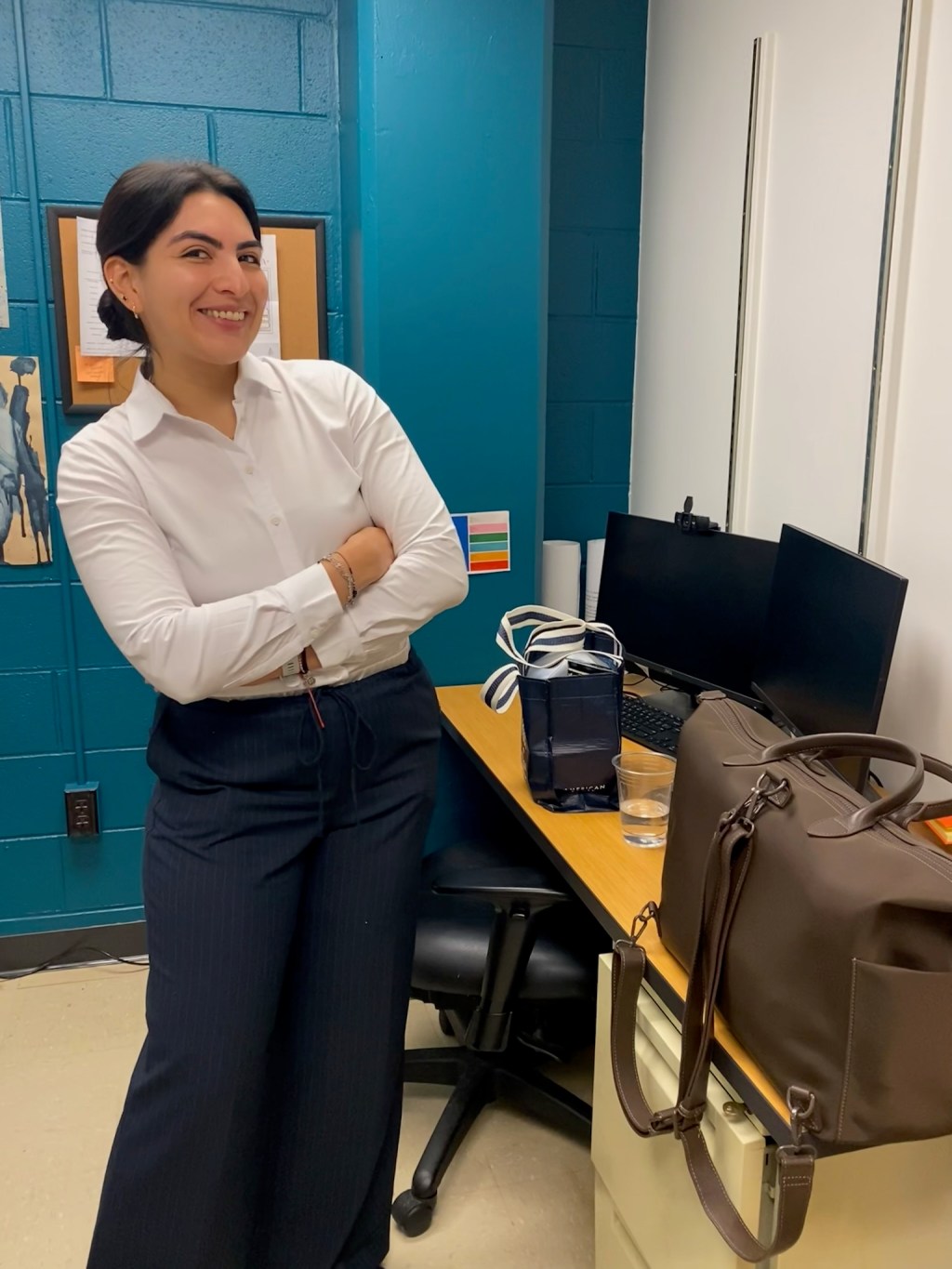
Congratulations to Dr. Layla Claure for successfully defending her PhD thesis, Understanding Disparities in Cervical Cancer Screening among Hispanic Women in Indiana for Future Initiatives. As part of the inaugural PhD cohort in the Dept of Public Health at Purdue University, Layla’s leadership, mentorship of students, and dedication to uplifting community voices helped meaningfully shape…
-
Cervical Cancer Awareness Month: A New Approach to Screening for Homeless Communities

January is Cervical Cancer Awareness Month. People experiencing homelessness are up to four times more likely to be diagnosed with, or to die from, cervical cancer than those who are housed. This disparity is preventable. Cervical cancer is both preventable and treatable when caught early through screening. In our surveys and interviews with people experiencing…
-
Advancements in Cervical Cancer Screening: FDA Approves HPV Self-Sampling
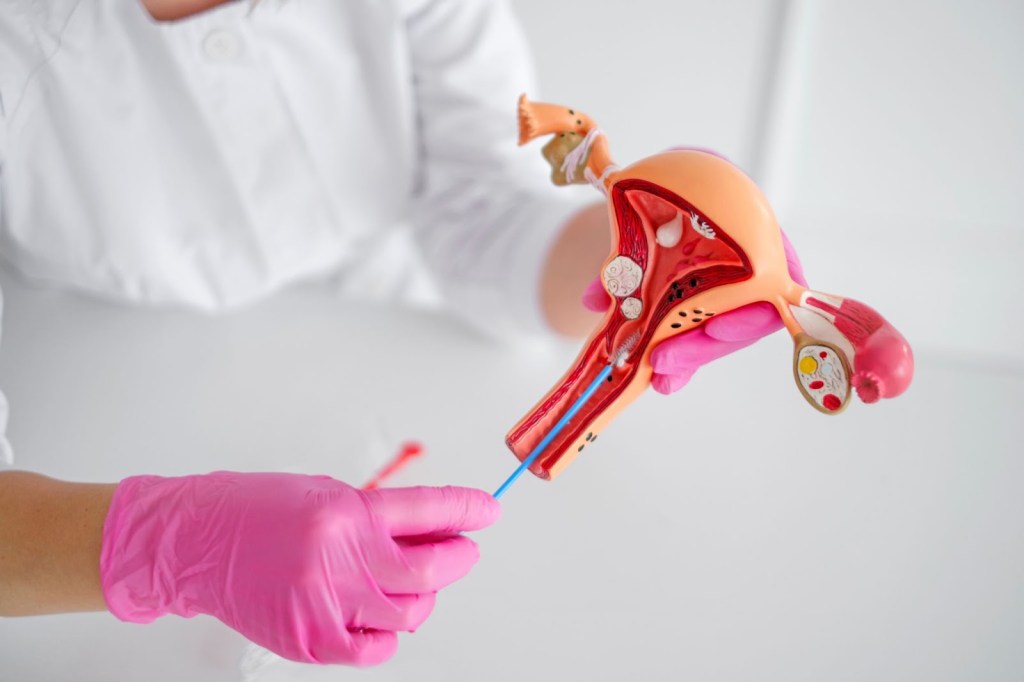
The FDA has recently approved HPV self-sampling tests, a groundbreaking development that promises to enhance accessibility and privacy in cervical cancer screening. While this is a huge step forward in cervical cancer prevention and care, there is still work to do to expand approval to non-clinic settings. At the Health TechQuity Lab, we have been…
-
HTQL’s Conference Adventure: Connecting for Change

HTQL has hit the ground running with this semester! Connect with us and follow our conference journey as we dive into conversations about health disparities and solutions for change! Where you can find us:
 Health TechQuity Lab