Categories
-
Graduate Students Winning at OneHealth Poster Competitions
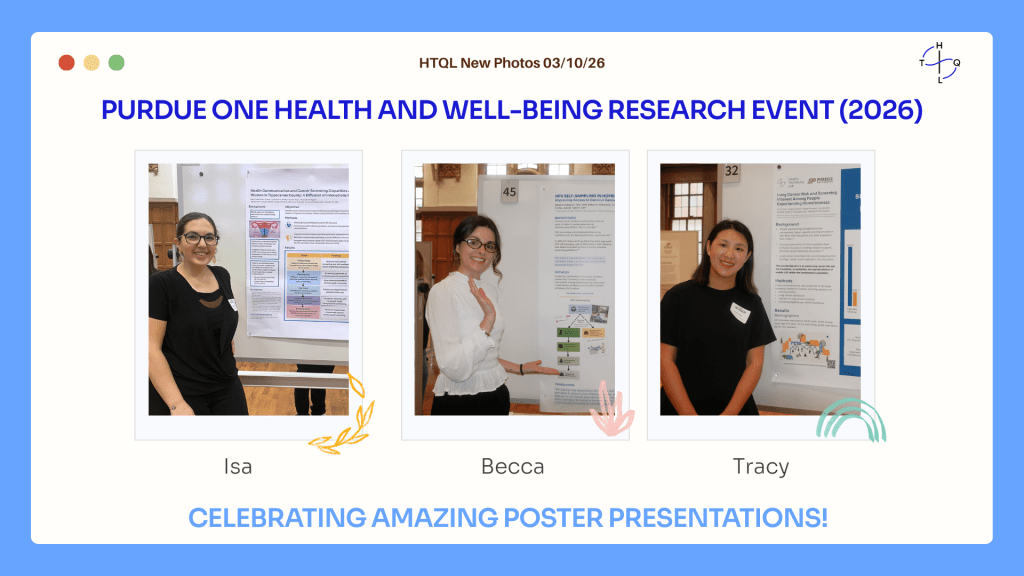
HTQL members had a blast at Purdue’s One Health and Well-Being Research Event. We participated in research poster competition and celebrated the interdisciplinary health research. Our presenters Isa, Becca, and Tracy did amazing work discussing their research that focused on women health disparities and people experiencing homelessness. And we took home some awards! 🎉
-
Housing and Health are Inseparable. Celebrating Progress at LTHC Gala Night
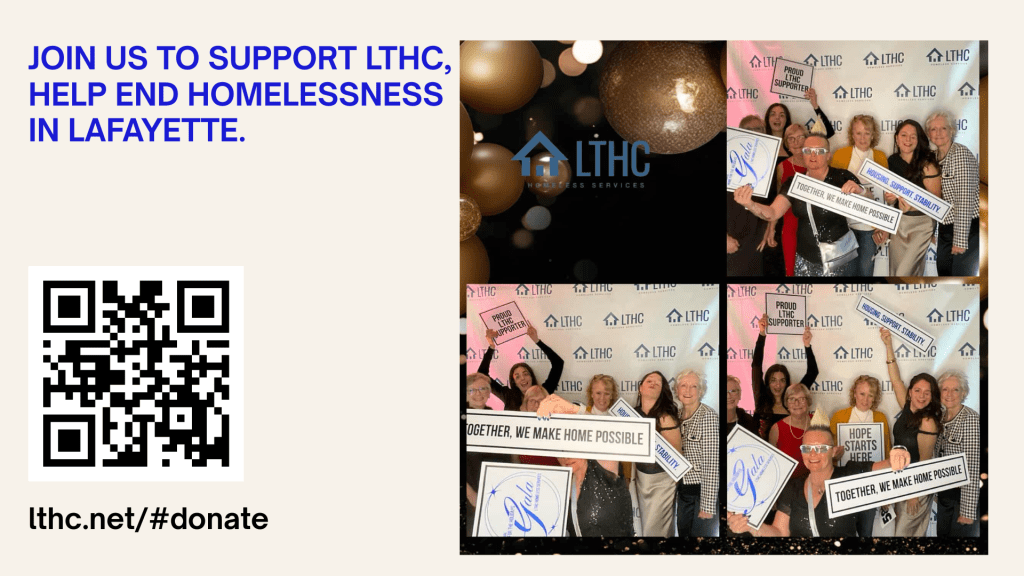
As we reflect on the past year, and on last week’s LTHC gala, our lab is reminded of a simple truth that guides so much of our work with community partners: housing is the foundation. It is the starting point for stability, safety, and wellbeing. And at LTHC, housing is just the beginning. The Five-Year…
-
Syringe Exchange Programs Work. Indiana Cannot Afford to Lose Them.
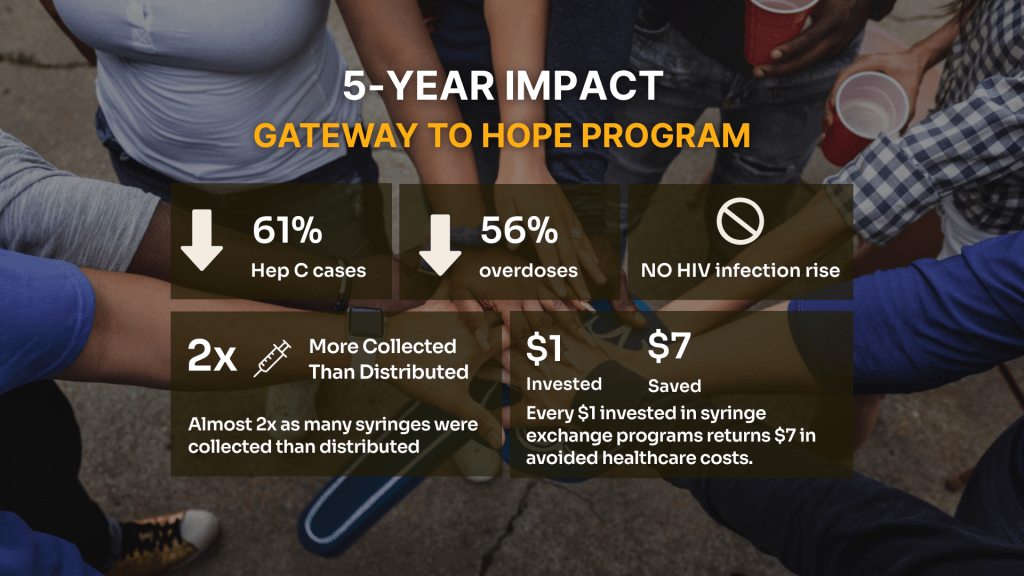
Syringe exchange programs (SEP) lead to substance use recovery, decrease diseases, save lives, and save money. Despite more than 35 years of scientific evidence to support this claim, these programs are under threat here in Indiana with the SEP legislation set to expire on July 1, 2026. While SEPs are perhaps most thought of as…
-
Dr. Natalia Rodriguez Receiving Awards at APHA 2025

Dr. Natalia received the Ayman El-Mohandes Young Professional Public Health Innovation Award for her interdisciplinary work reducing cancer disparities in underserved Hispanic communities through innovative and culturally responsive methods.
-
Mrithula Babu Presenting at IAPHS 2025

Our lab is excited to spotlight Mrithula, who presented at the IAPHS 2025 Conference on breast and cervical cancer screening access. Her presentation, “Stakeholder Perspectives on Barriers and Facilitators to Breast and Cervical Cancer Screening among Hispanic Women in Indiana,” emphasized: This pilot project was part of a broader community assessment to identify barriers and…
-
HTQL’s Year in Review – And Onward to the Next!

As we kick off this next year at HTQL, we’re taking a moment to celebrate the incredible achievements and milestones that made this past year special. Research and Community Impact We launched a study bringing CHW-led education and HPV self-sampling in homeless shelters, expanding access to screening. Two first-time first authors published new work by…
-
Spotlighting Dr. Natalia Rodriguez: Pioneering Change at Health TechQuity Lab
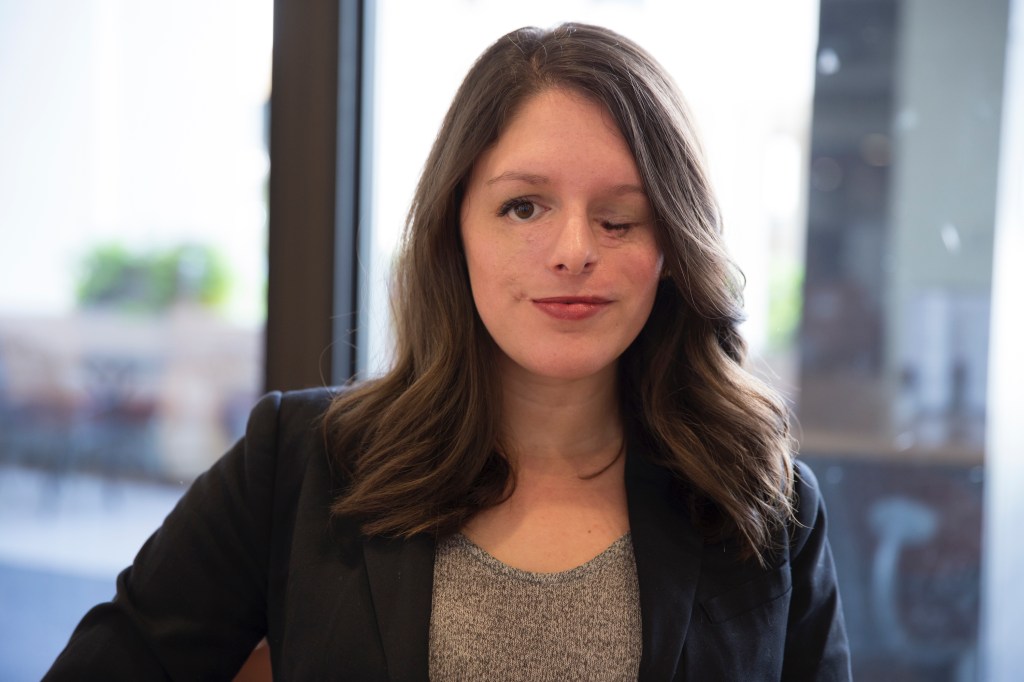
Celebrating International Women’s Day, we spotlight Dr. Natalia Rodriguez, Director of the Health TechQuity Lab (HTQL), to explore her journey in the fields of biomedical engineering and public health. This interview highlights how Dr. Rodriguez’s passion for innovation and her dedication to improving community health drive the mission at HTQL. She discusses the lab’s commitment…
-
Cervical Cancer Awareness Month: A New Approach to Screening for Homeless Communities
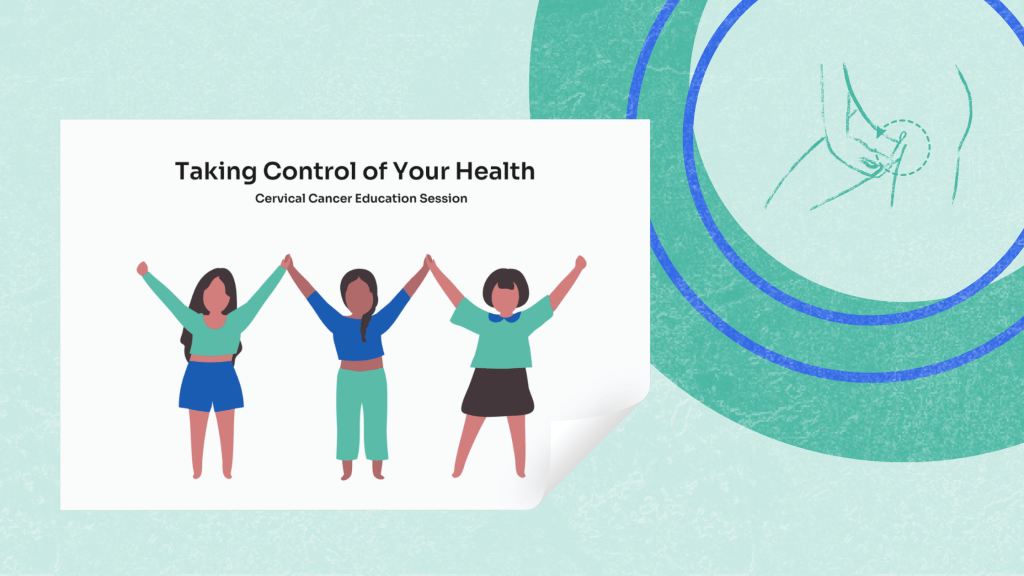
January is Cervical Cancer Awareness Month. People experiencing homelessness are up to four times more likely to be diagnosed with, or to die from, cervical cancer than those who are housed. This disparity is preventable. Cervical cancer is both preventable and treatable when caught early through screening. In our surveys and interviews with people experiencing…
-
Empowering Futures in Healthcare: Celebrating the Journey of Sathveka Sembian

Sathveka Sembian, a recent Purdue graduate, has made remarkable contributions in academia and health research. Her journey at the Health TechQuity Lab and her future aspirations reflect her dedication and passion for improving women’s health.
-
New NIH grant to address cervical cancer disparities in homeless populations
We are excited to jump into 2024 with the launch of our new study, “Addressing Cervical Cancer Disparities Among People Experiencing Homelessness”! HTQL is honored to have received a 2023 NIH Director’s New Innovator Award to support this work for the next 5 years! Learn more about this prestigious award here. Did you know that…
 Health TechQuity Lab